Building confidence moving from number to algebra

I DON’T GET ALGEBRA
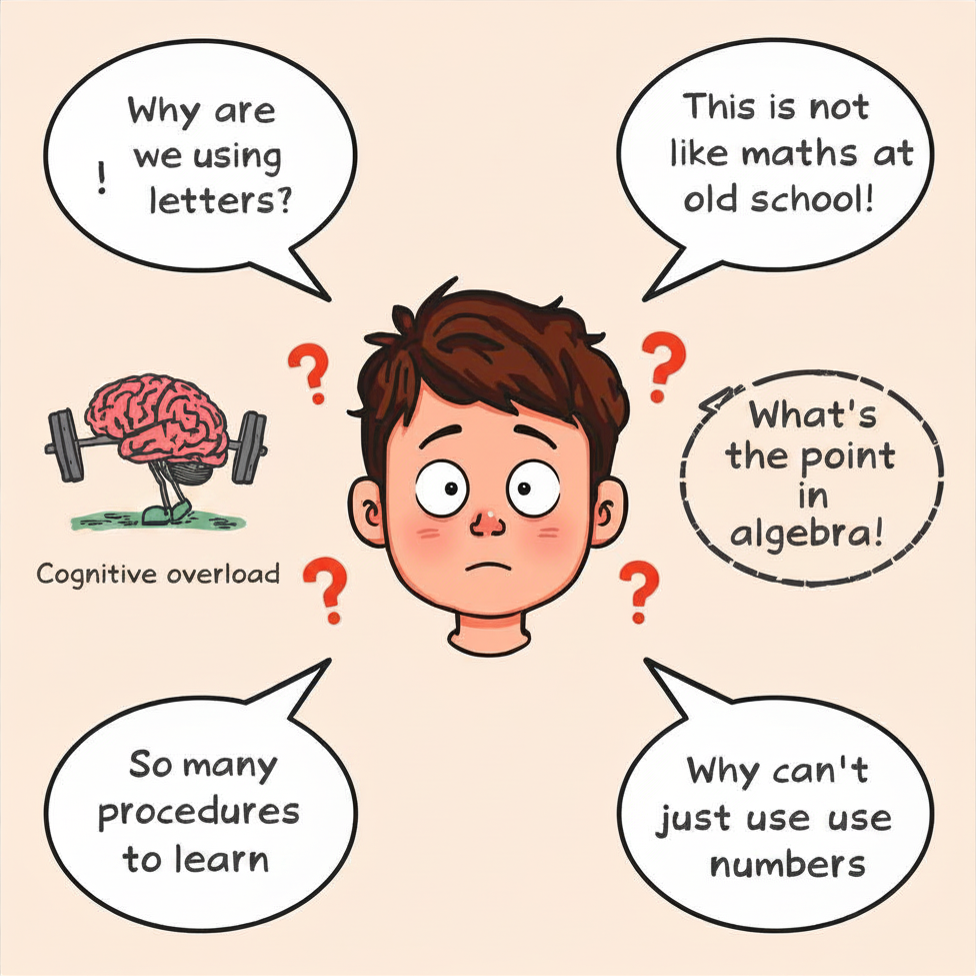
I have been a teacher and leader of maths for over 20 years now and I see the students and teachers struggling with the same problems when teaching and learning algebra:
- letters are abstract and disconnected from familiar number structures and operations.
- algebraic concepts are taught as procedures and not connected to the same procedures in number leading to “What’s the point” and cognitive overload.
- misconceptions about letters; Is 𝑥 a variable or an unknown value to be found?
- Expand 3(𝑥 + 2). Some students struggle to understand that an answer can be an expression.
How many times have you seen these common misconceptions?
Find 3𝑥 when 𝑥 = 5. 35
-2 – 3 = 5 because – – is +
3a + 2b simplified to 5ab
a = 1, b = 2, c = 3 …
A rectangle has a length of 𝑥 + 3 and a width of 2𝑥. Could it ever be a square? No because its a rectangle
a x a x a = 3a
52 = 10
Which is bigger 3𝑥 or 𝑥 + 3. 3𝑥 because multiplying is stronger than adding
3 + 2×5 = 30
We believe that all students can access algebraic notation and manipulation through a deep and connected understanding of number.
Mathematics anxiety
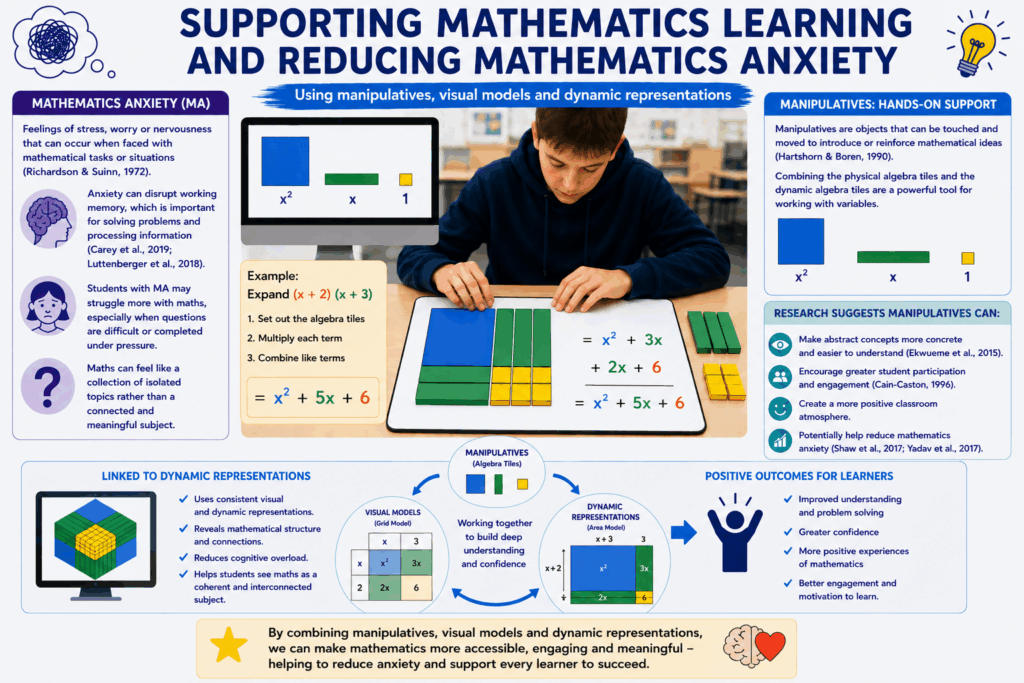
Mathematics Anxiety, Manipulatives and Dynamic Representations
Mathematics anxiety describes the feelings of stress, worry or nervousness that some students experience when faced with maths tasks or situations.
Using manipulatives, visual models and dynamic representations can help make abstract ideas more concrete, reduce cognitive overload and support more positive experiences of mathematics.

What is Mathematics Anxiety?
Mathematics anxiety (MA) describes the feelings of stress, worry, or nervousness that some people experience when faced with maths tasks or situations (Richardson & Suinn, 1972).
Studies suggest that these feelings can negatively affect performance because anxiety may disrupt working memory, which is important for solving mathematical problems and processing information (Carey et al., 2019; Luttenberger et al., 2018). This means that students with MA may struggle more with maths, especially when questions are difficult or completed under pressure.
Using Manipulatives to Support Maths Learning
One strategy that has been explored to support maths learning and reduce anxiety is the use of manipulatives. Manipulatives are hands-on resources that students can physically handle to help them understand mathematical concepts.
Hartshorn and Boren (1990) define manipulatives as objects that can be touched and moved to introduce or reinforce maths ideas. Common examples include counters, cubes, fraction tiles, algebra tiles and other visual learning tools.
Concrete
Students can touch, move and arrange objects to represent mathematical ideas.
Visual
Models help students see mathematical structure rather than memorising isolated rules.
Dynamic
Representations can change, move and connect ideas across topics.
Example: Expanding Double Brackets with Algebra Tiles
Algebra tiles can be used to represent the product (x + 2)(x + 3). The model shows one x² tile, five x tiles and six unit tiles.


How Manipulatives May Reduce Mathematics Anxiety
Research suggests that manipulatives can make abstract mathematical concepts easier to understand by providing concrete and visual representations of ideas (Ekwueme et al., 2015). They may also encourage greater student participation and create a more positive classroom atmosphere (Cain-Caston, 1996).
Because of these benefits, researchers have become increasingly interested in whether manipulative-based learning could also help reduce feelings of maths anxiety (Shaw et al., 2017; Yadav et al., 2017).
Dynamic Representations and Cognitive Load
This is closely linked to the approach promoted by Dynamic Representations, which emphasises the use of consistent visual and dynamic representations to expose mathematical structure and reduce cognitive overload.
Connected representations can help students see maths as a coherent subject rather than a collection of isolated topics, an issue that has been linked to maths anxiety.

Making Mathematics More Accessible
By combining manipulatives, visual models and dynamic representations, approaches such as those shared by Dynamic Representations aim to make mathematics more accessible, engaging and meaningful for learners.
This supports the wider research suggesting that carefully designed manipulative-based teaching may not only improve understanding, but could also help create more positive experiences of mathematics for students who experience MA.
References
- Cain-Caston, M. (1996). Manipulatives and the learning environment.
- Carey, E. et al. (2019). Mathematics anxiety and working memory.
- Ekwueme, C. O. et al. (2015). Manipulatives and mathematics understanding.
- Hartshorn, R. & Boren, S. (1990). Experiential learning of mathematics.
- Luttenberger, S. et al. (2018). Mathematics anxiety and performance.
- Richardson, F. C. & Suinn, R. M. (1972). The Mathematics Anxiety Rating Scale.
- Shaw, S. et al. (2017). Manipulatives and mathematics anxiety.
- Yadav, S. et al. (2017). Manipulative-based learning and maths anxiety.
Do you want your students to really get algebra.
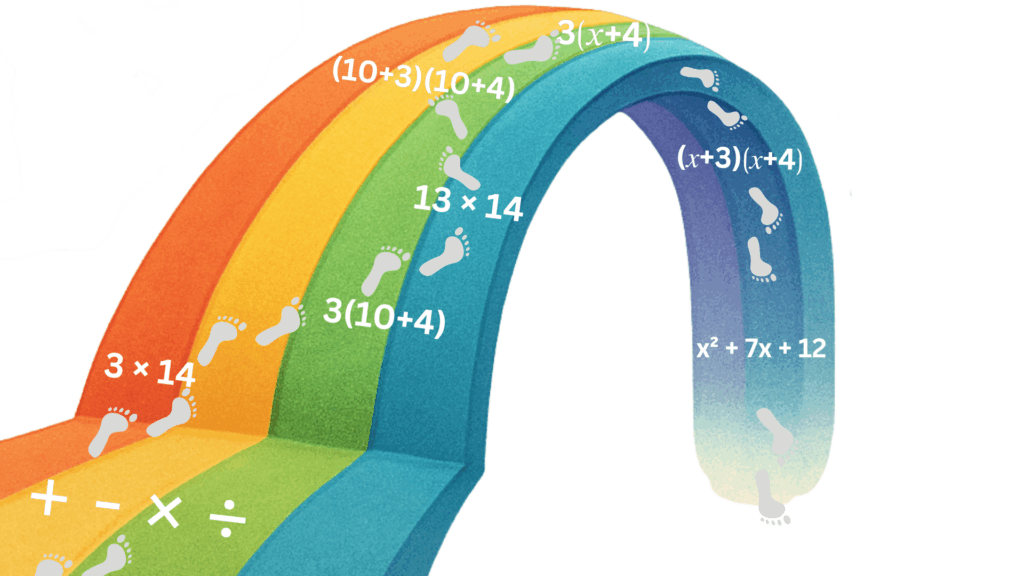
At Dynamic Representations we have created interactive models and manipulatives to reveal the connections between number and algebra. These tools help to bridge the gap between familiar number structures and procedures and the abstract symbols of algebra. We provide a scaffolded journey from number at Key Stage 1 and 2 to number and algebra at Key Stage 3 and beyond. Dynamic representations will help students build a deep and connected understanding of number and algebra.
Connecting number to algebra through:
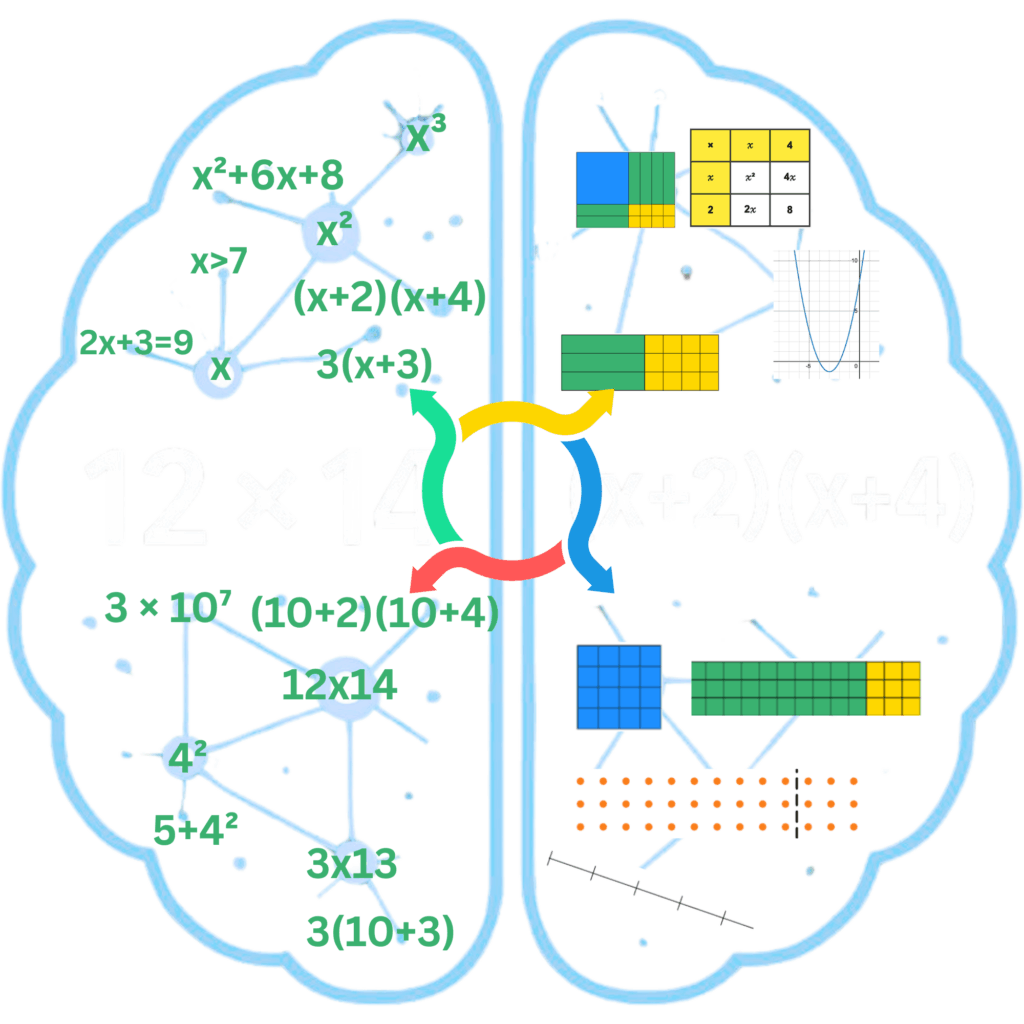
familiar number structure models and manipulatives:
- array models -> area models -> grid method
- Dienes’ blocks -> algebra tiles
- number lines -> graphs
generalising the structure of number:
- Dienes’ blocks -> base blocks -> algebra tiles
generalising operating on number to algebraic manipulation:
- 3 x 13 -> 3(10 + 3) -> 3(𝑥 + 3)
- 12 x 14 -> (10 + 2)(10 + 4) -> (𝑥 + 2)(𝑥 + 4)
the use of consistent representations in symbols and pictures.
Bridging the gap between KS2 number and KS3 algebra by:
- building strong connections between the structure of number and algebra.
- securing conceptual understanding of foundational number knowledge.
- small coherent steps carefully crafted to move from number to algebra revealing the same deep structures.
Content
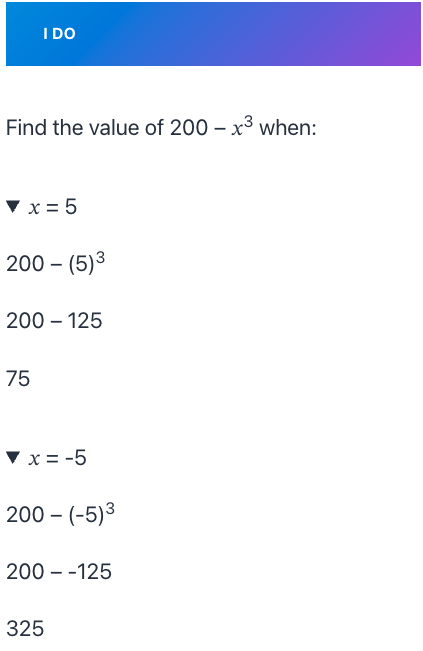
Fully modelled examples for each small step
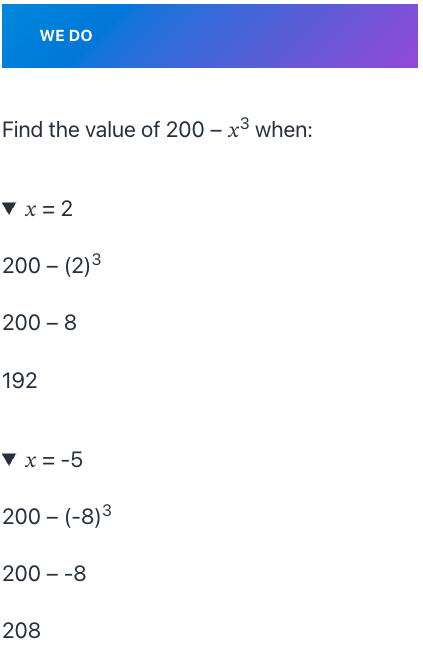
Similar questions that follow the I DO
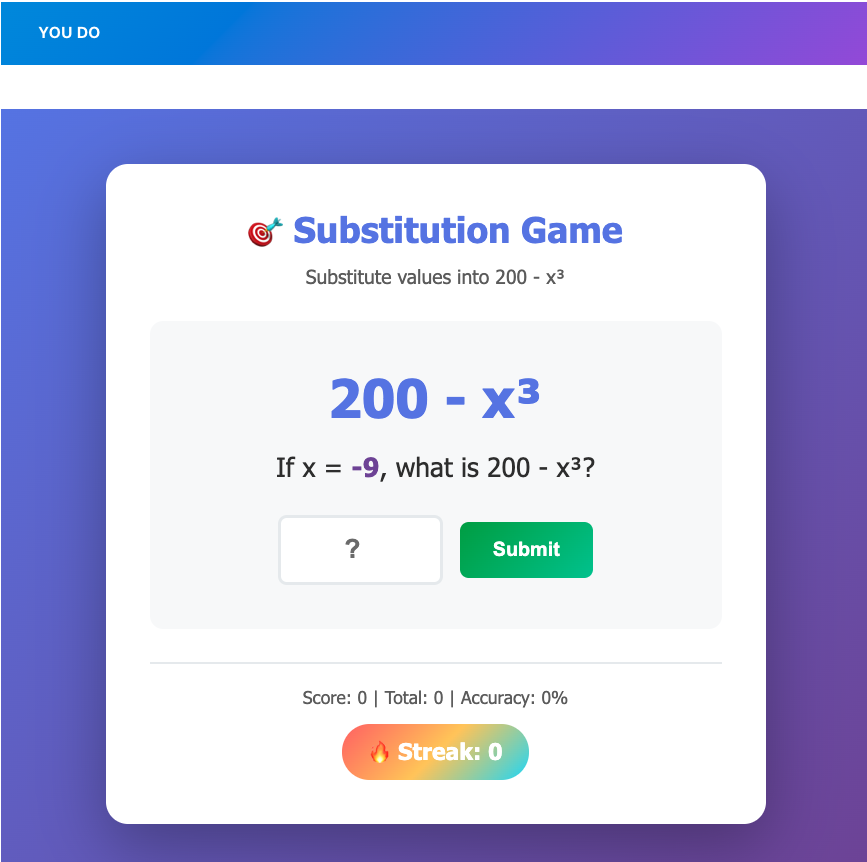
Makes practice irresistible When learning feels like playing, students want to come back. Streaks, rewards, and challenges turn “I don’t want to do maths” into “just one more level.”
Builds confidence through instant feedback No waiting for a teacher to mark work — students know immediately when they’re right, so they can celebrate wins and fix mistakes in the moment.
Interactive models and representations to explore
Contact jayne@dynamicrepresentations.com for details of the free trial – limited spaces available – have this as a button all over the front page
How to get involved:
Email jayne@dynamicrepresentations.com to set up a conversation about the limited FREE trial for 2026/27.
Full teacher access to dynamic teaching tools and CPD videos.
Free access to online training and support.
Student access to Number to Algebra course covering year 7 algebra.
What teachers say:
Using Dynamic Representations allows students to visualise the algebra.
My students have been more curious and ask higher level questions
My students are making connections and telling me what they notice and making predictions rather than teaching with static examples.
Using the teaching tools to make small changes easily gives me time to ask questions that deepen conceptual understanding.
Abstract concepts like algebra are really difficult to teach using traditional methods. The concepts are brought to life when students can interact with the Dynamic Representations.
It was a real light bulb moment when my students noticed that square numbers form a square and cube numbers forma cube. They were really excited about it.
Dynamic Representations are a great hook and immediately get students thinking about the concept. Mathematics Teacher at Delapre Learning Centre, Hospital Outreach Education
I love the way my students can interact with the representations and see the connections between multiple representations. I hadn’t realised the connections between the area model, algebra tiles and the grid method for expanding brackets. It has changed the way that I think about algebra. Using dynamic representations in teaching has transformed my classroom. Students are far more engaged because these tools help them visualise and make sense of abstract mathematical concepts, leading to deeper understanding and stronger conceptual connections. Not only has this benefited my students, but it has also reignited my own passion for teaching mathematics. Rather than relying on repetitive rote learning, I now feel inspired and energised, as dynamic representations bring mathematics to life in a meaningful and interactive way. Lauren H. Second in Mathematics, Watling Academy.